Contract design that works for all of your readers
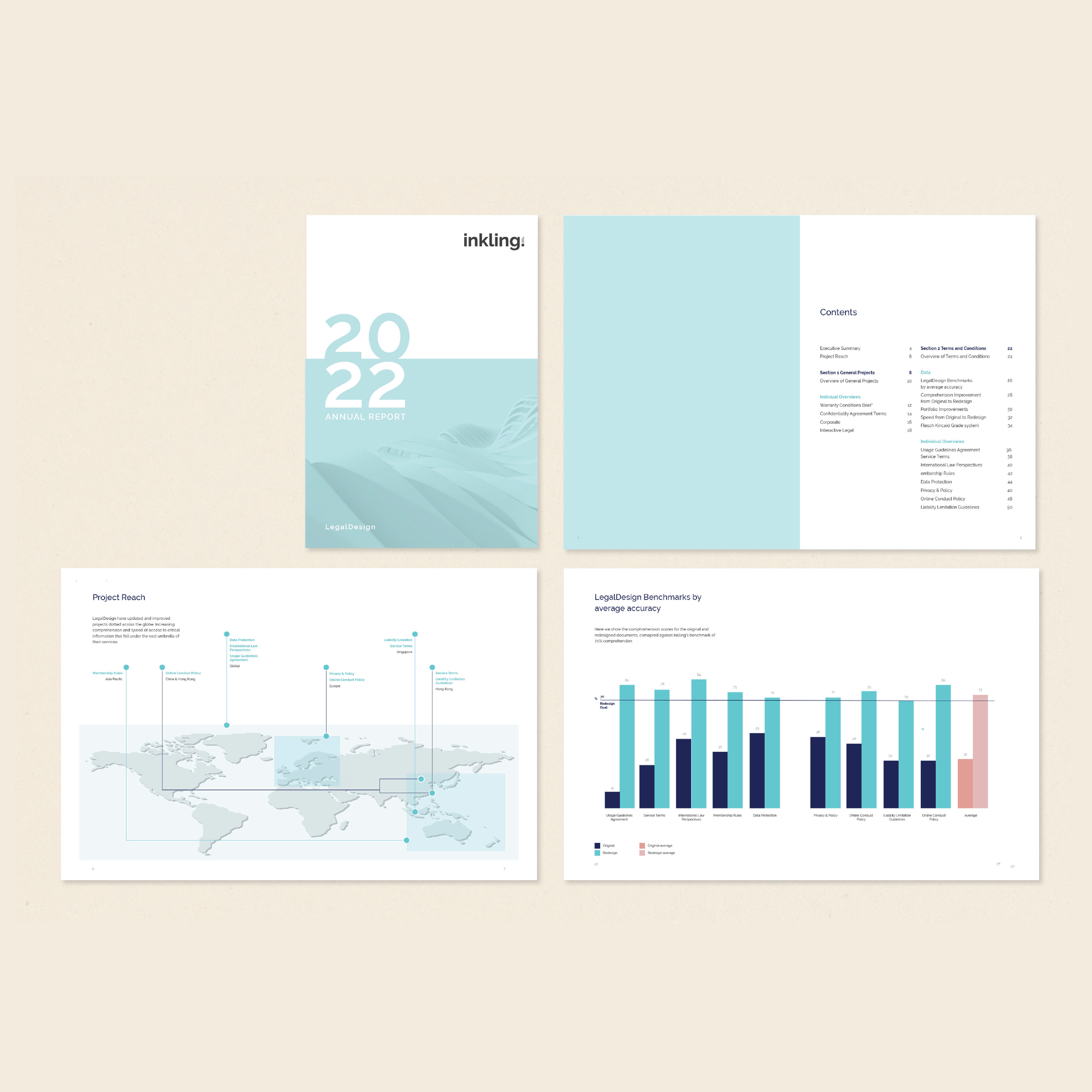
Contract design applies design thinking, plain language and visual communication to contracts, so the people who use them can actually use them. Clear structure instead of walls of text. Language that carries its meaning on the surface. Visual aids where they genuinely help: flowcharts for processes, tables for thresholds, timelines for obligations. A contract designed around the reader's job, not the drafter's habits.
We have been doing this work since 2018, and the Financial Times has recognised it in the Innovative Lawyers awards every year since 2021. In 2024 we won the AI New Solutions category for redesigning the commercial agreements of ANSTO, Australia's national nuclear science and technology organisation. That project is also why our definition of contract design is a step ahead.
Contracts acquired a second reader
Your contracts are no longer read only by people. They are read by AI: the review tools applying your playbook, the CLM answering the business's questions, the Copilot summarising terms for a manager who will act on the summary. Most contract design improves the experience of the first reader. Ours is engineered for both, because the same design decisions that help a human reader find and understand an obligation are what let an AI retrieve it, answer from it, and simplify it without losing the legal meaning.
That is not a slogan; it is a tested pipeline. We structure the contract so both readers can navigate it, redesign the language to plain language standards (ISO 24495-1), and then prove the result: user testing with real readers, benchmarked against our global portfolio, and AI answer testing against the redesigned document. Contracts leave with evidence, not opinions.
What we redesign
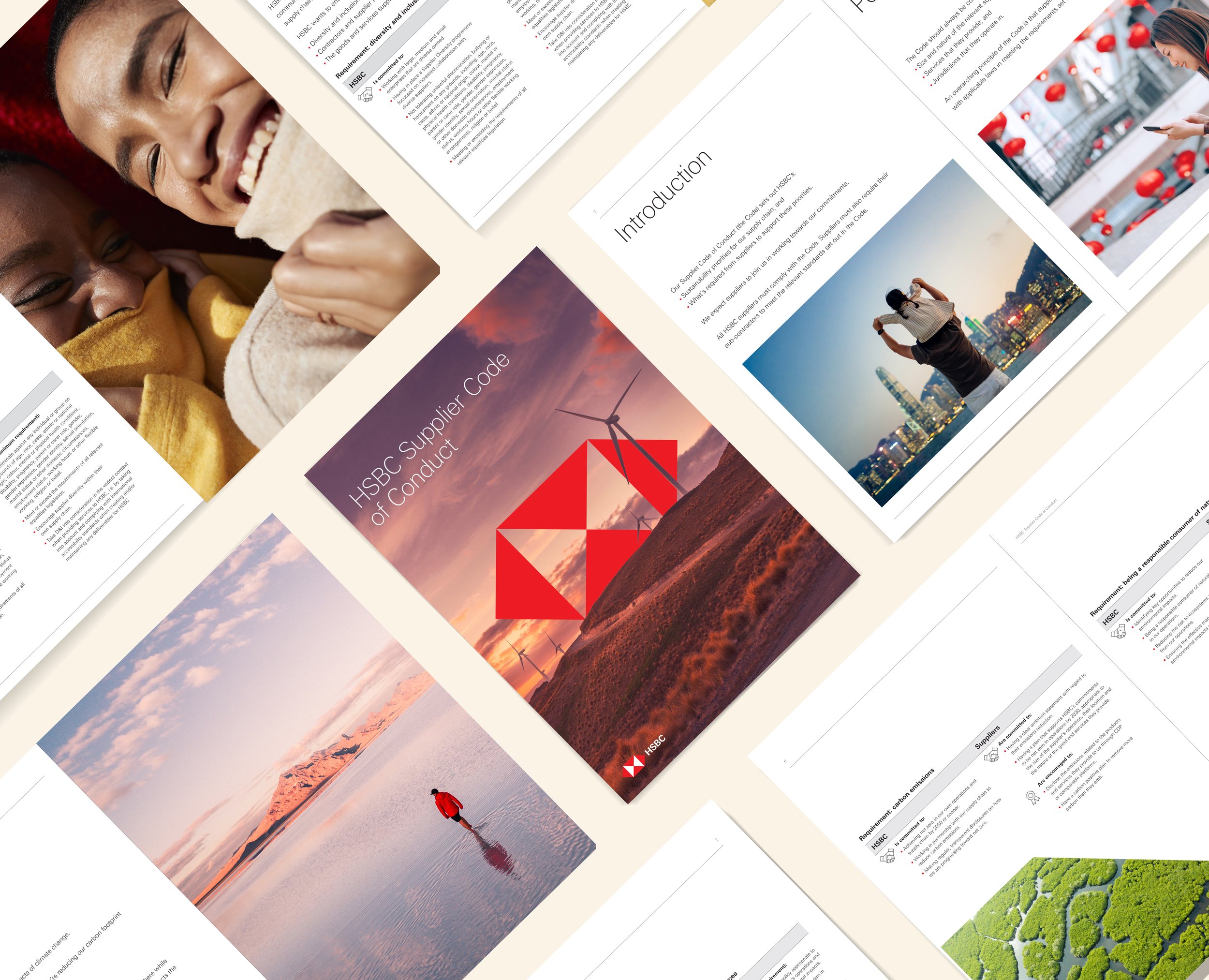
Commercial agreements and standard-form contracts. Templates and precedent suites. Contract playbooks and clause guidance. Terms and conditions, policies and schedules. For organisations including HSBC, ANSTO, TPG Telecom and Grampians Health, across Australia, Hong Kong, the UK and the US.
What makes a well-designed contract
Four things we test for, because a contract can look beautiful and still fail its readers:
Findability:
Can a reader, human or AI, locate the answer to a real question quickly?
Fidelity:
Does the plain language version carry the same legal effect, reviewed by lawyers, not just rewritten by designers?
Comprehension:
Do readers take away the meaning the drafter intended? We measure this with user testing, and the results regularly surprise drafters.
Reliance:
When an AI answers from the contract, can the person reading the answer trust it appropriately?
Start with the contract you argue about most
Most clients start with one document: the agreement that generates the most questions, negotiations or disputes. We redesign it, test it, and let the evidence make the case for the rest of the suite.
FAQ
-
A: Contract design applies design thinking, plain language and visual communication to contracts so they are clear, usable and effective for the people who rely on them. It covers structure, language, layout and visuals, and increasingly it also covers how well AI systems can read and answer from the contract.
-
A: Inkling is a law firm and design studio recognised in the Financial Times Innovative Lawyers awards every year since 2021, including winning the 2024 AI New Solutions category for redesigning ANSTO's commercial agreements. Inkling is distinctive for user testing redesigned contracts with real readers and benchmarking comprehension against a global portfolio.
-
A: Yes. Clear structure and plain language make contracts easier for AI tools to retrieve, summarise and answer from accurately, for the same reasons they help human readers. Inkling designs contracts for both readers and tests AI answers against the redesigned document.
-
A: It must not, and that is why redesigns need lawyers and designers working together. Every Inkling redesign is legally reviewed so the plain language version carries the same legal effect, and user tested to prove readers understand it correctly.
-
A: We user test it: real readers answer real questions against the original and the redesign, and we measure comprehension, speed and confidence, benchmarked globally. For AI readiness we also test what AI tools answer from the document before and after redesign.